MEDICA Düsseldorf 2026: Exhibition Stand Design & Build Guide for Medical Technology Brands
Medical exhibitions demand a particular kind of clarity.
A stand may need to present:
sophisticated medical devices;
diagnostic equipment;
laboratory systems;
digital-health platforms;
rehabilitation technology;
consumables;
hospital infrastructure;
healthcare services.
Some products are highly visual.
Others are technical systems that are difficult to understand without explanation.
At MEDICA, the exhibition stand therefore has to combine clinical credibility, technical communication and commercial hospitality within a highly competitive international environment.
MEDICA Düsseldorf 2026 takes place from 16–19 November 2026 at Messe Düsseldorf. The organizer describes MEDICA as the world's leading trade fair for the medical industry and is introducing a substantially revised thematic structure for the 2026 edition.
The objective of the stand should be simple:
What problem does your technology solve?
Who is it designed for?
Why should a hospital, distributor, clinician or procurement team choose it?
Why MEDICA Düsseldorf Matters
MEDICA attracts a highly international and commercially relevant professional audience.
Official 2025 visitor data reports:
78,000 visitors
visitors from 164 countries
76% international visitors
71% senior and middle management
Visitor interest was especially strong in:
medical equipment and devices;
imaging and diagnostics;
disposables and consumables;
laboratory equipment;
healthcare IT.
The 2025 MEDICA/COMPAMED post-show report also recorded 4,821 MEDICA exhibitors, underlining the scale of competition for visitor attention.
For exhibitors, that means a generic white medical booth is rarely enough.
The stand has to establish relevance immediately.
MEDICA 2026 Has a New Thematic Structure
This is especially important for 2026.
Messe Düsseldorf has reorganized MEDICA into five main areas:
Clinical Diagnostics & Therapeutic Technologies
Digital Medicine, Data & Artificial Intelligence
Integrated Care, Rehabilitation & Home Care
Healthcare Infrastructure, Manufacturing & Quality
Healthcare Systems, Education & Global Health
That gives exhibitors a useful design principle:
build the stand around the clinical application, not only the product catalogue.
Visitors should immediately understand where your technology fits into healthcare delivery.
Organize the Stand Around Clinical Use
Instead of dividing the stand only by SKU or department, consider organizing it around use cases.
For example:
Diagnosis → Treatment → Monitoring → Recovery
or:
Patient → Clinician → Data → Outcome
This is especially effective for companies with several product families.
It helps visitors understand how individual technologies connect to the wider care pathway.
Make Medical Devices the Hero
If your company manufactures physical equipment, the product should usually remain central.
This may include:
imaging devices;
patient monitors;
surgical equipment;
infusion systems;
rehabilitation devices;
diagnostic systems;
clinical furniture.
Use the architecture to frame the device.
Useful techniques include:
illuminated platforms;
controlled background contrast;
clinical mock-up environments;
digital explanation screens;
focused lighting.
Avoid surrounding the product with too much visual noise.
Build Demonstrations Into the Stand
Medical buyers often want to see technology in use.
A good demonstration station may need:
power;
data;
operator clearance;
visitor standing space;
storage;
screens;
seating.
MEDICA's 2026 direction places strong emphasis on practical application scenarios and integrated technology environments. The organizer's new Hospital of the Future concept, for example, presents connected technologies across the patient journey rather than as isolated products.
Your stand can use the same principle.
Show the technology in context.
Digital Health Needs a Clear Story
MEDICA's new structure explicitly elevates:
Digital Medicine, Data & Artificial Intelligence.
This includes areas such as:
hospital IT;
AI;
telemedicine;
cybersecurity;
data platforms;
wearables.
Software-heavy exhibitors need more than screens.
Create a simple flow such as:
Patient data → platform → clinical decision
or:
Device → cloud → monitoring → intervention
That turns an abstract digital product into an understandable healthcare workflow.
Explain Diagnostics Through the Patient Journey
Diagnostics is one of MEDICA's most important visitor-interest categories.
For diagnostic and imaging companies, consider presenting:
Sample / Patient → Analysis → Result → Decision
This works especially well for:
laboratory diagnostics;
imaging;
point-of-care testing;
pathology;
monitoring.
The visitor should understand the clinical value of the system rather than only its specifications.
Laboratory Equipment Needs Process Clarity
MEDICA continues to dedicate major exhibition space to laboratory technology and diagnostics.
If presenting:
analyzers;
laboratory instruments;
sample preparation;
diagnostic kits;
testing equipment;
organize the space around the workflow.
For example:
Collection → Preparation → Analysis → Result
This gives individual machines context.
Small Medical Products Need Strong Visual Hierarchy
Consumables and smaller devices can easily disappear visually.
This includes:
surgical instruments;
catheters;
disposables;
dressings;
implants;
sensors;
diagnostic accessories.
Use:
illuminated niches;
glass showcases;
enlarged product models;
magnified imagery;
grouped product families.
The commercial importance of a product should determine how prominently it is displayed—not its physical size.
Create Realistic Clinical Environments Where Useful
A mock clinical setting can be highly effective.
For example:
patient room;
operating area;
rehabilitation station;
diagnostic point;
home-care environment.
This helps buyers visualize the technology in use.
But avoid overbuilding.
The environment should support the product, not turn into theatrical scenery.
Medical Stands Do Not Have to Look Identical
One of the biggest design problems in healthcare exhibitions is repetition.
Many stands use:
white + blue + glass + LED
because it feels clean and medical.
The result is often an entire hall of visually similar booths.
Clinical credibility can also be communicated through:
precision;
material quality;
good lighting;
thoughtful detailing;
organized displays;
calm visual hierarchy.
A healthcare stand can feel trustworthy without looking generic.
Create Different Meeting Environments
MEDICA attracts:
distributors;
hospital procurement;
clinicians;
manufacturers;
research institutions;
healthcare organizations.
And official visitor data shows 71% of visitors are senior or middle management.
That makes meeting capacity commercially important.
Depending on stand size, consider:
Open consultation
For quick product conversations.
Semi-private seating
For distributor and procurement meetings.
Enclosed rooms
For strategic partnerships and confidential discussions.
The stand should convert product interest into business conversations.
International Exhibitors Need Strong Market Positioning
MEDICA's visitor base is exceptionally international.
With roughly three quarters of visitors arriving from outside Germany, the stand needs to work for a multicultural professional audience.
That usually means:
concise English communication;
clear visuals;
internationally understandable product categories;
easy-to-read technical benefits.
Avoid relying on long text-heavy walls.
Use Certifications Carefully
Healthcare buyers care about:
regulatory approvals;
certifications;
quality standards;
clinical evidence.
These can strengthen credibility.
But do not cover every wall with certificates.
Integrate them into:
product displays;
technical screens;
dedicated quality sections.
The goal is to communicate assurance without overwhelming the design.
Give Healthcare Infrastructure Products Context
One of MEDICA 2026's new areas specifically covers Healthcare Infrastructure, Manufacturing & Quality.
Companies in:
hospital furniture;
infrastructure;
clean environments;
equipment systems;
healthcare construction;
can benefit from application-based displays.
Show the system as it would exist within a real healthcare environment.
What Should You Send Your Stand Builder?
Before concept development begins, prepare:
confirmed stand dimensions;
hall and stand number;
open sides;
product categories;
equipment dimensions;
product weights;
demonstration requirements;
electrical/data requirements;
AV and screens;
meeting capacity;
storage;
hospitality;
brand guidelines;
budget range.
For larger medical equipment, also provide:
installation sequence;
servicing clearance;
logistics requirements;
lifting requirements where applicable.
Why Work With a Turnkey Exhibition Partner in Europe?
An international MEDICA exhibitor may already be coordinating:
equipment transport;
clinical specialists;
product demonstrations;
distributors;
marketing;
regulatory meetings;
staff travel.
The exhibition stand should not become another disconnected workflow.
Maher Design supports international exhibitors in Europe with:
exhibition concept development;
3D design;
technical development;
product-display planning;
equipment integration;
graphics;
AV;
production;
installation;
on-site project coordination;
dismantling.
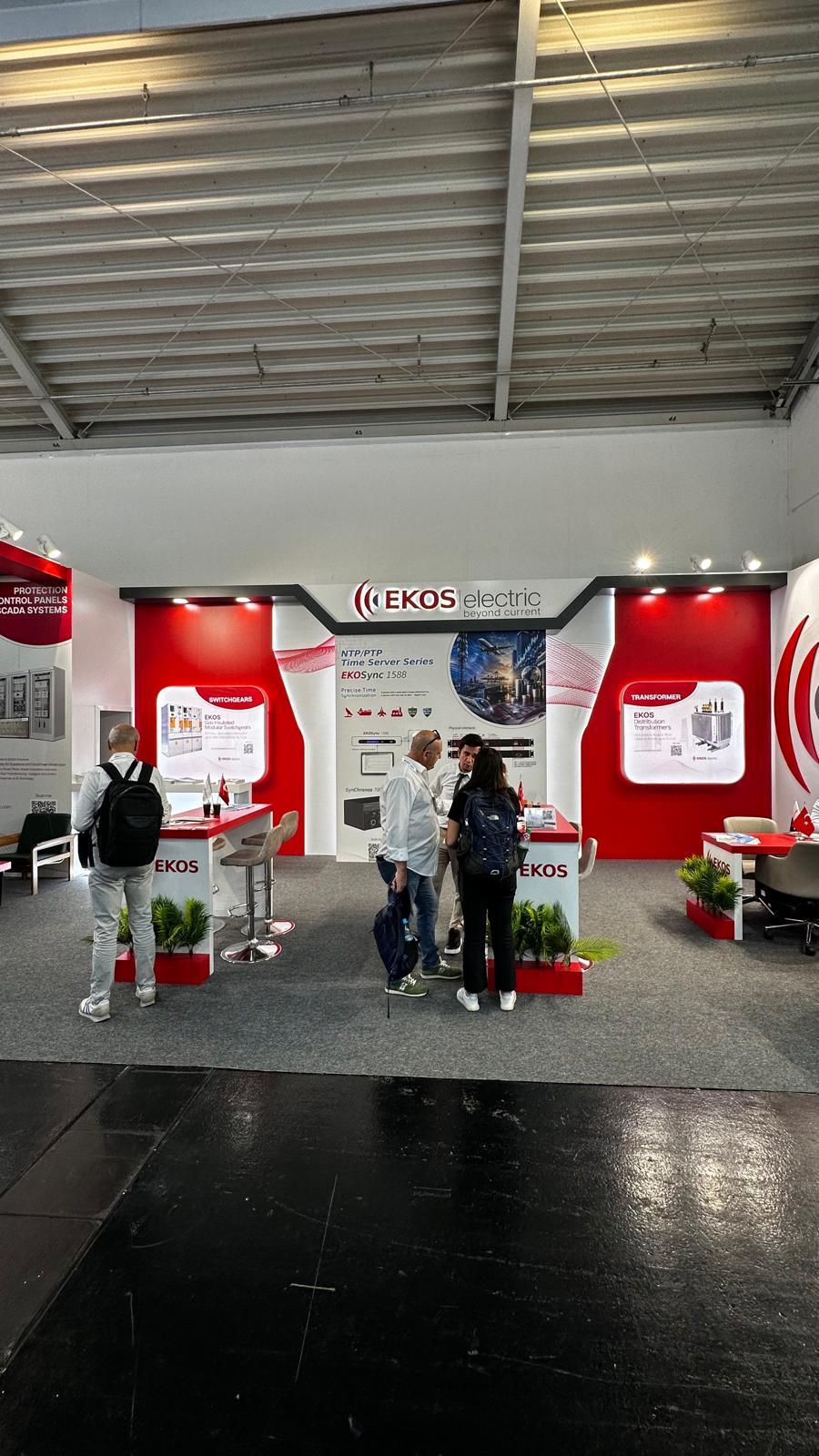
For healthcare-focused projects, CG Bio at GSC 2026 Istanbul provides particularly relevant proof of experience with medical and technical product presentation.
Exhibiting at MEDICA Düsseldorf 2026?
Share your:
stand dimensions;
product range;
equipment list;
demonstration requirements;
meeting needs;
brand guidelines.
Maher Design can develop a bespoke medical-technology exhibition environment and coordinate turnkey delivery in Europe.
What Makes a Strong MEDICA Stand?
1. Clear Clinical Relevance
Show where your product fits into healthcare delivery.
2. Product-Led Architecture
Let medical technology remain the hero.
3. Real Demonstrations
Give equipment and software proper demonstration environments.
4. Workflow Storytelling
Explain the path from problem to clinical outcome.
5. Distinct Medical Identity
Clean does not need to mean generic.
6. Strong Meeting Capacity
Support serious distributor and procurement conversations.
7. Practical Technical Planning
Coordinate equipment logistics, power and installation early.
Exhibition Stand Design & Build for MEDICA Düsseldorf 2026
Maher Design creates bespoke exhibition stands for international healthcare and technology brands exhibiting across Europe.
For MEDICA exhibitors, projects can be developed around:
medical devices;
diagnostics;
laboratory technology;
imaging;
digital health;
rehabilitation;
healthcare infrastructure;
consumables;
clinical technology.
The goal is to create an environment where visitors immediately understand what the technology does, where it fits in healthcare delivery and why it matters.
Planning Your MEDICA Düsseldorf 2026 Stand?
Send your stand plan, medical equipment and project requirements to Maher Design.
We can develop the concept around your technology and coordinate the project through technical development, production and turnkey exhibition delivery.