CPHI Middle East 2026: Exhibition Stand Design & Build Guide for Pharmaceutical Brands
Pharmaceutical exhibitions require a different balance from many conventional trade fairs.
The products may include:
active pharmaceutical ingredients;
finished dosage products;
excipients;
pharmaceutical machinery;
packaging systems;
drug-delivery technology;
contract manufacturing;
laboratory technology;
biopharma solutions.
Some are highly technical.
Some are physically small.
Others—particularly manufacturing and packaging equipment—require large demonstration areas.
A successful pharmaceutical stand therefore has to communicate scientific credibility, manufacturing capability and commercial value without becoming visually clinical or overly complex.
CPHI Middle East 2026 takes place from 14–16 December 2026 at Riyadh Exhibition and Convention Centre, Malham. The event brings together the pharmaceutical supply chain across machinery, finished dosage, packaging and drug delivery, contract services, APIs, excipients, integrated pharma, natural extracts and fine chemicals.
For an international exhibitor, the stand should quickly answer:
What part of the pharmaceutical value chain do you serve?
What capability or technology differentiates you?
Who should speak with your team?
Why CPHI Middle East Matters
The 2026 edition is positioned as a major pharmaceutical platform for the Middle East and Africa.
The organizer currently expects:
60,000 visitors
1,000+ exhibiting brands
professionals from 110+ countries
310+ expert speakers.
The official exhibitor booking material also lists more than 80,000 m² of exhibition space.
The event follows a 2024 edition that attracted more than 30,000 visitors from 100+ countries, indicating substantial international growth.
For exhibitors, this means competition for attention will be significant.
The stand needs to function as more than a branded meeting room.
It should communicate the company's role in the pharmaceutical supply chain immediately.
Start With Your Position in the Pharma Value Chain
A pharmaceutical company's stand should be structured around its actual commercial offer.
For example:
API → Formulation → Manufacturing → Packaging
or:
Research → Development → Production → Delivery
or:
Equipment → Process → Quality Control → Finished Product
This creates a clear narrative.
Visitors should not need to read ten panels before understanding what the company does.
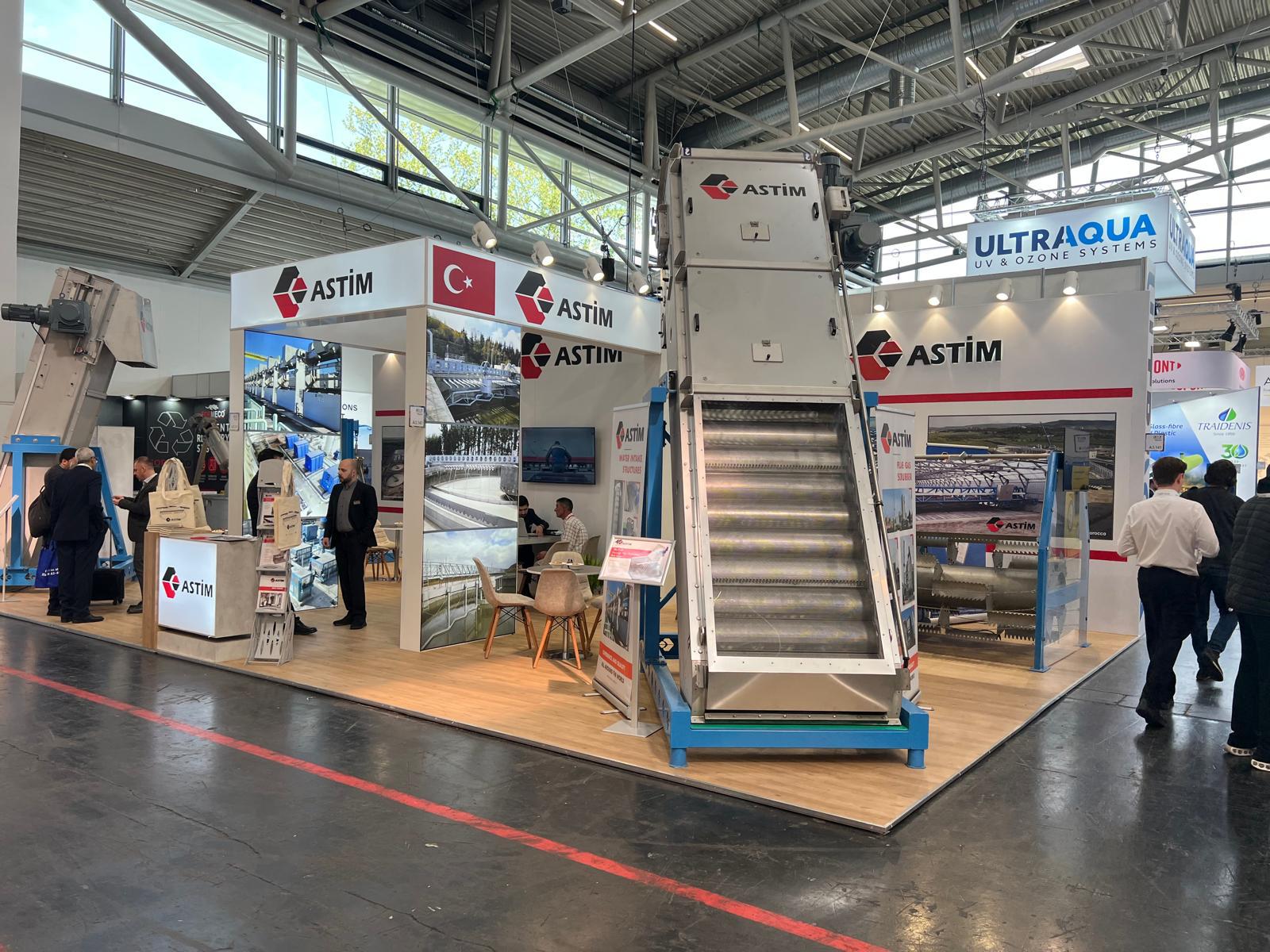
Give Pharmaceutical Machinery Enough Space
CPHI Middle East includes a dedicated machinery and equipment segment.
Companies may exhibit:
filling machines;
tablet presses;
blister packaging equipment;
inspection systems;
processing machinery;
laboratory equipment;
cleanroom technology.
For these exhibitors, the machinery should often become the architectural focus.
Plan around:
equipment footprint;
service access;
operating clearance;
electrical requirements;
demonstration zones;
visitor circulation.
Do not design the architecture first and force machinery into whatever space remains.
Use Demonstrations to Explain Process
Pharmaceutical equipment is usually easier to understand when visitors can see the process.
A strong demonstration area may show:
Input → Process → Inspection → Packaging
For example:
Tablet → blister line → inspection → finished package
The same approach works for laboratory and analytical technology.
Visitors should be able to understand the workflow without requiring a long verbal explanation.
Packaging and Drug Delivery Need Strong Visual Presentation
Packaging and drug delivery are core CPHI sectors.
Products may include:
blister packaging;
bottles;
closures;
prefilled syringes;
injectors;
inhalers;
pharmaceutical labels;
secondary packaging.
Many of these products are physically small.
Use:
illuminated showcases;
enlarged product models;
exploded assemblies;
application visuals;
samples displayed by product family.
A small delivery device can become the visual hero of a stand if presented correctly.
API and Ingredient Companies Need a Different Design Language
API and excipient companies typically do not have visually impressive finished products to display.
Their strongest selling points may instead be:
production capacity;
purity;
regulatory approvals;
manufacturing footprint;
technical expertise;
geographic reach.
The stand should translate these invisible strengths into simple visual communication.
Useful elements include:
production-network maps;
quality-assurance diagrams;
molecule-inspired graphics;
manufacturing photography;
certification and compliance messaging.
But avoid turning the entire stand into a scientific poster.
Make Manufacturing Capability Visible
For contract manufacturers and integrated pharmaceutical companies, credibility often comes from scale.
Visitors may care about:
manufacturing plants;
production lines;
dosage capabilities;
capacity;
global markets;
regulatory approvals.
Use large-scale visual storytelling to communicate the manufacturing ecosystem.
A map showing production locations and export markets can often communicate more than several paragraphs of corporate text.
Biopharma Needs Clear Scientific Storytelling
The event's pharma ecosystem increasingly overlaps with biotechnology and advanced therapies, and BIO Middle East 2026 is being co-located with CPHI Middle East. The biotech event focuses on areas including cell and gene therapies, mRNA, vaccines and biomanufacturing.
Biopharma exhibitors should simplify complex scientific communication.
For example:
Platform → Mechanism → Clinical Application
or:
Research → Scale-up → Manufacturing
The objective is not to oversimplify the science.
It is to make the entry point understandable to the right business audience.
Digital Screens Should Explain Something
Screens are useful when they communicate:
manufacturing workflows;
formulation processes;
production facilities;
equipment operation;
quality-control systems;
product portfolios.
Avoid using large screens merely for looping corporate videos.
Every digital element should have a clear communication purpose.
Create Different Meeting Levels
CPHI is heavily relationship-driven.
The same exhibitor may meet:
distributors;
procurement teams;
manufacturing partners;
regulatory professionals;
investors;
government representatives;
international buyers.
The stand should support different conversation types.
Quick discussions
Open tables near the aisle.
Technical discussions
Small tables close to products or machinery.
Strategic partnerships
Semi-private or enclosed meeting areas.
For contract manufacturing, licensing or distribution discussions, privacy can be particularly important.
Hospitality Matters in Riyadh
A well-designed hospitality area can significantly improve dwell time.
For larger stands, consider:
coffee service;
refreshments;
lounge seating;
private hospitality.
In Gulf exhibitions, hospitality can become an important part of relationship-building.
It should feel integrated into the architecture rather than added as an afterthought.
Use Premium Materials Without Losing Technical Credibility
Pharmaceutical stands often default to an all-white environment.
White can communicate cleanliness, but excessive use can make the booth indistinguishable from neighboring exhibitors.
Consider combining:
clean neutral finishes;
glass;
controlled metallic detailing;
premium lighting;
brand accent colors;
selective natural materials.
The result should still feel precise and professional, but more distinctive.
Plan Product Storage Carefully
Pharmaceutical exhibitors may bring:
samples;
packaging;
brochures;
demonstration equipment;
promotional materials;
personal belongings.
These should remain out of public view.
Integrate storage into:
counters;
product walls;
demonstration stations;
enclosed back-of-house spaces.
A clean operational environment reinforces the brand's professional image.
Saudi Market Positioning Should Be Visible
CPHI Middle East is positioned specifically around access to one of the region's largest pharmaceutical markets and the wider Middle East and Africa opportunity.
International exhibitors may be attending to:
enter Saudi Arabia;
appoint distributors;
identify manufacturing partners;
explore local production;
develop regional commercial relationships.
If Saudi expansion is part of the strategy, communicate it.
This might include:
regional maps;
partnership messaging;
localized product information;
Arabic/English communication.
The stand should demonstrate that the company understands the market it is entering.
What Should You Send Your Stand Contractor?
Before concept development begins, prepare:
confirmed stand dimensions;
hall and stand number;
open sides;
product categories;
machinery dimensions;
product-display requirements;
demonstration requirements;
electrical/data requirements;
screens and AV;
meeting capacity;
hospitality;
storage;
brand guidelines;
budget range.
For machinery-heavy stands, also provide:
equipment weights;
power requirements;
installation sequence;
lifting requirements;
service clearances.
Why Work With a Turnkey Exhibition Partner in the Gulf?
An international pharmaceutical exhibitor may already be coordinating:
products;
machinery;
freight;
distributors;
regulatory meetings;
staff;
marketing.
The physical stand should therefore be handled as one coordinated project.
Maher Design supports international exhibitors in the Gulf with:
exhibition concept design;
3D visualization;
technical development;
machinery integration;
product-display planning;
graphics;
AV;
production coordination;
installation;
on-site project management;
dismantling.
The objective is to combine technical credibility, commercial hospitality and clear pharmaceutical positioning.
Exhibiting at CPHI Middle East 2026?
Share your:
stand dimensions;
product portfolio;
machinery requirements;
demonstration needs;
meeting programme;
brand guidelines.
Maher Design can develop a bespoke pharmaceutical exhibition environment and coordinate turnkey delivery in Riyadh.
Plan Early for Riyadh
CPHI Middle East is expected to occupy more than 80,000 m² and host more than 1,000 exhibitors.
The official opening hours are:
14 December: 10:00–19:00
15 December: 10:00–19:00
16 December: 10:00–18:00.
For international exhibitors, planning should include:
venue access;
machinery delivery;
technical services;
electrical requirements;
stand approvals;
build-up schedules;
dismantling;
local regulations.
Always base final construction decisions on the organizer's current exhibitor and technical documentation.
What Makes a Strong CPHI Middle East Stand?
1. Clear Pharma Positioning
Visitors should understand your place in the supply chain immediately.
2. Product Hierarchy
Prioritize the products or capabilities that matter commercially.
3. Process Storytelling
Show how your solution works within the pharmaceutical workflow.
4. Technical Demonstration
Give equipment proper space and infrastructure.
5. Strong Meeting Areas
Support distribution, manufacturing and partnership discussions.
6. Premium Presentation
Clinical credibility does not require a generic white booth.
7. Regional Relevance
Demonstrate understanding of the Saudi and Middle Eastern market.
Exhibition Stand Design & Build for CPHI Middle East 2026
Maher Design creates bespoke exhibition environments for international brands exhibiting across the Gulf.
For CPHI exhibitors, stands can be developed around:
pharmaceutical machinery;
API and ingredients;
finished dosage;
packaging;
drug delivery;
contract manufacturing;
laboratory technology;
biopharma;
integrated pharmaceutical solutions.
The goal is to create an environment where visitors immediately understand what your company provides, where it fits in the pharmaceutical value chain and why a partnership is worth discussing.
Planning Your CPHI Middle East 2026 Stand?
Send your stand plan, products and technical requirements to Maher Design.
We can develop the project around your pharmaceutical products and coordinate it through concept design, technical development and turnkey exhibition delivery in Riyadh.